October 22, 2025
5 Cost-Effective Ways to Manage Pain
Read more


If you’ve ever rolled your ankle during a workout or pulled a muscle sprinting to catch your bus, you’ve probably wondered: was that a sprain or a strain? These two terms are often used interchangeably, but they refer to very different injuries — and knowing the difference can help you recover more effectively.
In this post, we’ll break down what separates a sprain from a strain, why some injuries take longer to heal than others, and when you should seek help from a healthcare professional.
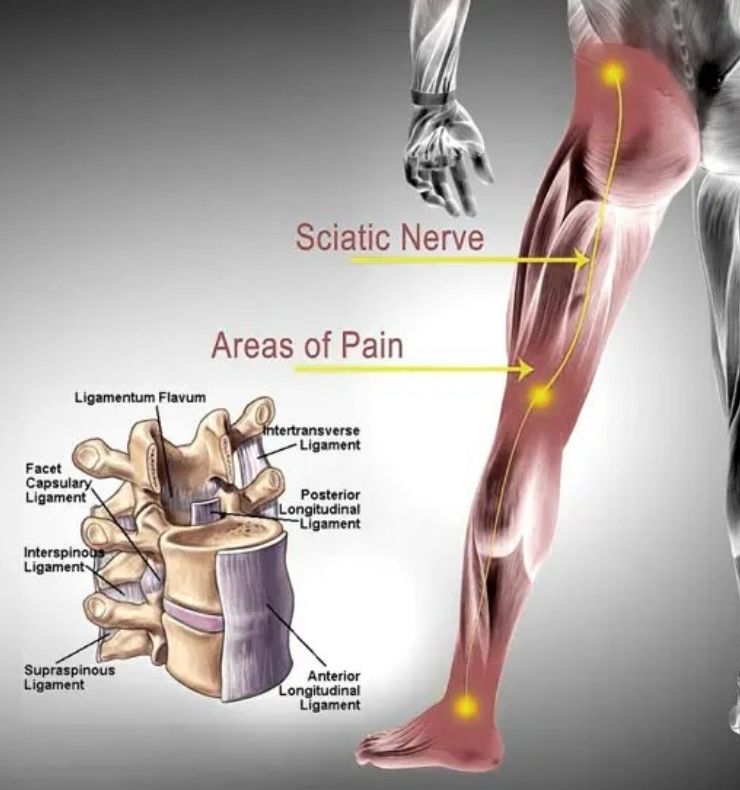
A sprain happens when a ligament — the tough band of tissue connecting bones at a joint — is stretched or torn. Ligaments help stabilize joints like the ankle, knee, or wrist, and are commonly injured during sudden twists, slips, or impacts.
Because ligaments are avascular (meaning they don’t receive much direct blood flow), they take longer to heal than muscle tissue. Less blood means fewer nutrients and oxygen reaching the area, which slows down tissue repair.
Common examples include ankle sprains from rolling your foot inward, or knee sprains from sudden pivots in sports like basketball or soccer.
A strain, on the other hand, affects muscles or tendons — the tissues that connect muscles to bones. These injuries often result from overstretching or overloading a muscle, like a hamstring pull or a calf strain during a sprint.
Muscles have a much better blood supply than ligaments, which means they tend to heal faster. However, improper rest or returning to activity too early can easily cause a re-injury.
Typical signs of a strain include:
You should reach out to a healthcare provider — like a physiotherapist or chiropractor — if you notice:
At Momentum Health in St. John’s, our team can assess your injury, determine whether it’s a sprain or a strain, and guide you through a customized rehab plan to restore movement, strength, and confidence safely.
Healing ligaments takes time — and patience pays off. Whether it’s a mild sprain or a pulled muscle, the right balance of rest, movement, and guided rehabilitation is crucial for long-term recovery.
If you’ve rolled an ankle, tweaked your knee, or strained your back, don’t wait it out. Early management and proper rehab make all the difference in preventing chronic pain or re-injury.
👉 Book an appointment with our team today and start moving better, faster.