October 22, 2025
5 Cost-Effective Ways to Manage Pain
Read more

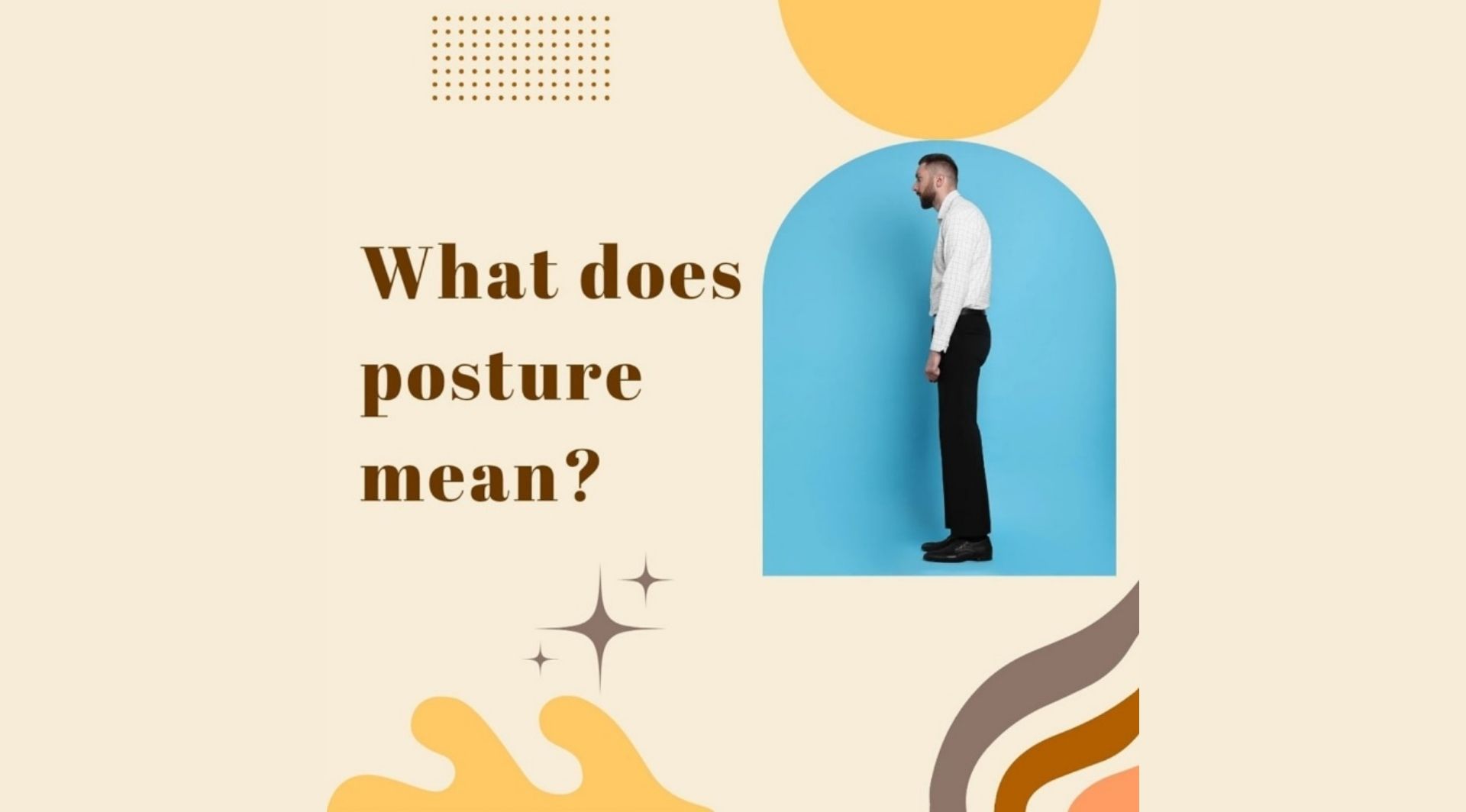
“Sit up straight!” — you’ve probably heard that since childhood. Whether from a parent, teacher, or fitness coach, posture advice has been around forever. But where did our obsession with “good posture” actually come from?
As it turns out, our posture ideals have more to do with history and culture than actual health science. And while posture certainly plays a role in how we move and feel, it’s far from the make-or-break factor many people believe it is.
Let’s take a quick look at how our understanding of posture evolved — and what the latest research really says.
The idea of perfect posture actually dates back to the Victorian era of the 1800s. During that time, “good posture” wasn’t about preventing pain or improving mobility — it was about social class.
Standing tall and upright symbolized nobility, discipline, and refinement. A straight back meant you were proper and respectable. Slouching, on the other hand, was seen as lazy, uneducated, or even immoral.
In short, posture was about how you looked, not how you felt.
Fast forward a century, and posture got a scientific rebrand. The rise of ergonomics — especially in offices and industrial workplaces — brought new rules about how we should sit, stand, and lift.
The message became:
The problem? The research didn’t actually prove that maintaining a single “perfect posture” prevents pain or injury.
Over time, people started to associate discomfort or back pain with “bad posture,” even though the connection isn’t nearly as strong as most think.
Recent studies show that:
If posture truly caused pain, everyone who lounges on a couch or scrolls their phone for hours would be miserable — and most of them aren’t.
Pain is complex. It’s not just mechanical; it’s multifactorial. That means it involves your nervous system, environment, and lifestyle, not just your spine’s angle.
Your body is resilient and adaptable — not fragile. There’s no need to chase a “perfect” posture that doesn’t exist. Instead, focus on:
At Momentum Health, we help people move with confidence — not fear. Whether you sit at a desk all day or lift heavy in the gym, learning to move freely and trust your body matters far more than maintaining a textbook posture.
Posture doesn’t have to be perfect — it just needs to be yours.
✅ Move often.
✅ Listen to your body.
✅ Don’t stress about “sitting wrong.”
If you’re struggling with persistent pain or stiffness, our clinicians can help you understand what’s really behind it and guide you toward smarter movement strategies that last.
👉 Book an appointment today at Momentum Health in St. John’s to learn how posture, movement, and strength all work together — for your body.